Hiring a Contractor: 5 Hidden Problems You Must Know
Hiring a contractor often leads to hidden issues like poor workflow design, unexpected budget spikes, and communication failures. These problems typically stem from a lack of pre-construction planning and specialized functional expertise. Addressing these early through a planning-first, chef-informed approach ensures a seamless, high-value kitchen renovation.
What are the biggest problems with hiring a contractor?
When most homeowners in Charlotte begin the journey of hiring a contractor, they focus on the visible markers of success: high-end portfolios, online reviews, and the bottom-line estimate. However, there is a layer of complexity below the surface that rarely gets discussed in initial consultations. The most significant problem is the "execution gap"—the space between a beautiful 3D rendering and the lived reality of using a kitchen every single day. Many general contractors are excellent builders, but they often lack the specialized knowledge required to understand how a high-functioning kitchen actually operates from a culinary perspective.
Another silent issue is the lack of a standardized process during the pre-construction phase. Without a rigorous planning-first approach, the project is susceptible to the "change order trap." This happens when details—such as the specific requirements for a professional-grade range or the structural support needed for a heavy stone island—are not addressed until the walls are already open. At that point, the homeowner is forced to make rapid-fire decisions under duress, leading to increased costs and compromised quality. Furthermore, there is the psychological toll of the "middle-of-project slump." This is the period when the initial excitement has faded, the home is a dusty construction zone, and communication with the contractor begins to fray. Understanding these challenges upfront is the only way to safeguard your home and your peace of mind.
Why does the "Design-First" approach often fail homeowners?
It sounds counterintuitive, but starting your project with an aesthetic designer can sometimes be a mistake. Traditional interior design focuses heavily on finishes, colors, and textures—the things that make a kitchen look stunning in a magazine. While beauty is important, a kitchen is, at its core, a workspace. If the design does not account for the specific technical needs of your services and appliances, the result is a beautiful room that is frustrating to cook in.
Consider these common design-first pitfalls:
- Placing the prep area too far from the water source.
- Installing cabinetry that doesn't accommodate specialized culinary tools.
- Selecting surfaces that look great but fail under heavy heat.
- Creating traffic patterns that cross paths with hot ovens.
- Ignoring the ventilation requirements of high-BTU professional ranges.
When you hire a contractor who follows a design-first model, they often treat the cabinetry and layout as a puzzle to be solved visually rather than functionally. At Heritage Custom Kitchens, we advocate for a chef-informed approach. This means we look at the kitchen through the eyes of someone who understands mise en place and professional workflow. We ensure that every drawer, spice rack, and appliance is positioned to minimize steps and maximize efficiency. By prioritizing function during the planning phase, we ensure that the final product doesn't just look like a chef's kitchen—it actually performs like one.
How does a lack of culinary expertise ruin a kitchen?
The difference between a standard kitchen and a chef-friendly kitchen lies in the details that a typical general contractor might overlook. Most contractors view a kitchen as a collection of boxes (cabinets) and appliances. However, a chef views a kitchen as a series of "stations." When hiring a contractor in Charlotte, you must ask if they understand the "work triangle" versus the modern "work zone" concept. A lack of this understanding leads to a kitchen where the dishwasher is too far from the dish storage, or the trash pull-out is located on the opposite side of the prep station.
Beyond just the layout, technical specifications for high-end appliances often baffle generalists. A professional-grade steam oven or a 48-inch gas range requires specific electrical, plumbing, and HVAC considerations that must be baked into the blueprints from day one. If your contractor hasn't spent time in professional kitchens, they may not realize that a high-output range requires a specific CFM (cubic feet per minute) for the hood, which in turn may require a make-up air system to comply with North Carolina building codes. These are the technical hurdles that cause delays and budget overruns. By integrating over 20 years of professional kitchen and construction experience, we eliminate these surprises. We plan for the technical requirements of your specific appliances long before a single hammer is swung, protecting your investment and ensuring that your kitchen is a joy to use for years to come.
The trap of the "Low-Ball" estimate
One of the most common problems when hiring a contractor is the temptation of the lowest bid. In the Charlotte market, prices can vary wildly, but a significantly lower estimate is usually a red flag for one of three things: lack of experience, planned change orders, or sub-par materials. A contractor who hasn't fully scoped the project will often give a lower price to win the job, only to "discover" necessary repairs or upgrades once the demolition is complete. This is not just a financial issue; it creates a relationship of distrust from the start of the project.
To avoid this, look for a contractor who offers a comprehensive planning phase. This involves:
- Detailed site inspections before quoting.
- Technical appliance audits for compatibility.
- Transparent line-item budgeting for materials.
- Fixed-price contracts based on final designs.
- Clear timelines with built-in buffer periods.
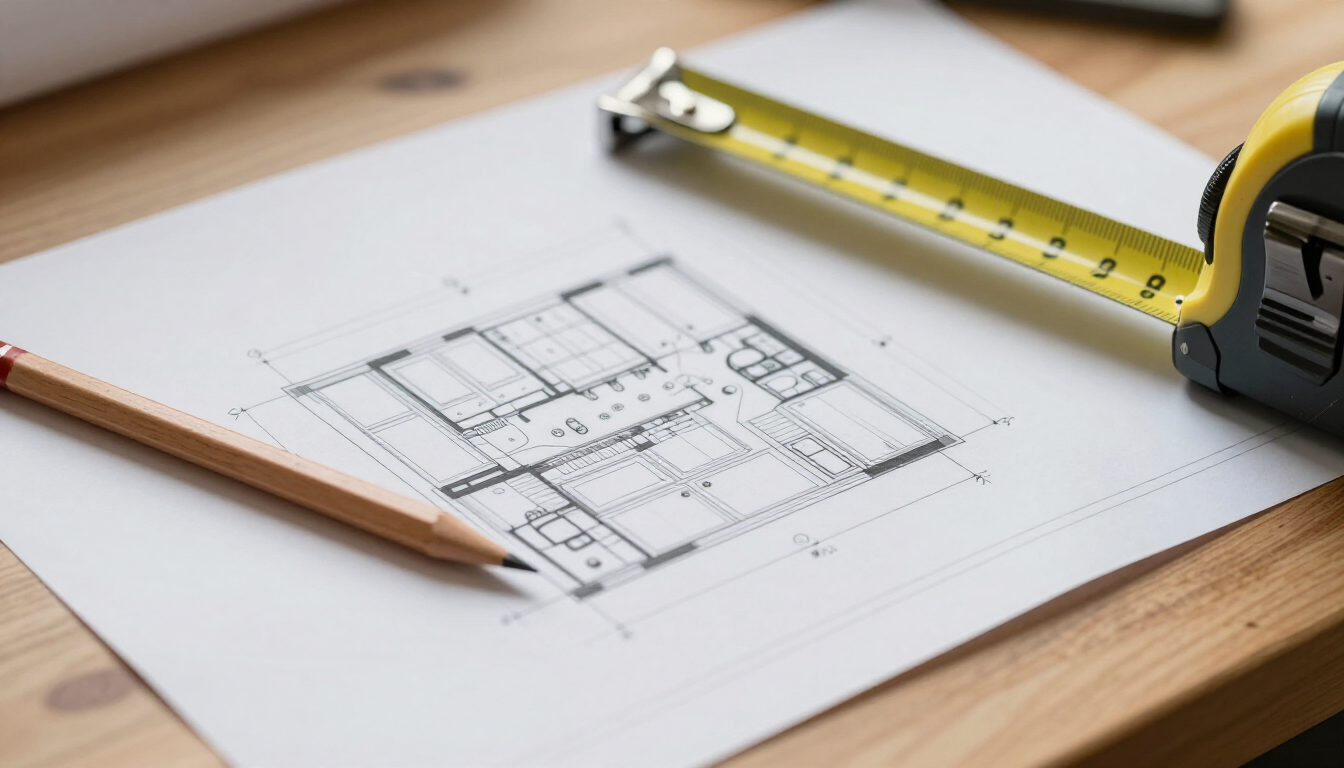
At Heritage Custom Kitchens, we believe that clarity is the best way to eliminate surprises. Our planning-first approach is designed to flush out every possible variable before construction begins. We would rather spend extra time in the office perfecting the details than spend time in your home fixing a mistake that should have been caught on paper. This protects your home's value and ensures that the final cost of the project aligns with the initial expectations you were given.
Why is communication the first thing to break?
Communication is the lifeblood of any successful home improvement project, yet it is often the first thing to fail when hiring a contractor. Many homeowners report that their contractor was incredibly responsive during the sales process, but became difficult to reach once the deposit was paid and the work began. This "communication chasm" is usually a symptom of a contractor who is over-leveraged or lacks a dedicated project management system. When you are living in a construction zone, not knowing which trade is showing up or what the plan is for the week can lead to extreme stress.
Professionalism in contracting means more than just doing good work; it means providing a structured environment where the homeowner feels informed and heard. We address this by establishing clear lines of communication from the very first meeting. Whether it is through digital project management tools or regular scheduled check-ins, our goal is to ensure you are never left wondering about the status of your kitchen. We believe that a successful project is defined not just by the final reveal, but by the quality of the experience throughout the journey. By maintaining a professional and collaborative relationship, we can navigate the inevitable challenges of construction without the friction that plagues so many other remodeling projects.
How can you protect your kitchen remodeling investment?
Protecting your investment goes beyond just picking the right materials; it's about choosing the right partner who understands the long-term value of your home. A poorly executed kitchen remodel can actually decrease your home's resale value if the layout is awkward or the finishes are low-quality. When hiring a contractor, you are essentially buying a service and an outcome, not just a product. You should look for someone who views themselves as a consultant and a steward of your home.
To ensure your project stays on track, follow these steps:
- Verify the contractor’s specialized kitchen experience.
- Ask for a detailed breakdown of their planning process.
- Request references from projects completed over a year ago.
- Ensure they have a firm grasp of local Charlotte codes.
- Confirm they offer a warranty on their craftsmanship.
By focusing on these criteria, you shift the focus from "finding someone to build a kitchen" to "finding an expert to manage a major investment." At Heritage Custom Kitchens , we take this responsibility seriously. Our focus on functionality, durability, and chef-informed design means that your kitchen will remain as relevant and efficient ten years from now as it is on the day we finish. We invite you to explore our blog for more insights on how to navigate the complex world of high-end kitchen remodeling.
Final Takeaways for a Successful Remodel
Hiring a contractor for a high-end kitchen remodel is a significant decision that requires more than just checking boxes on a list. It requires finding a partner who understands the nuances of culinary workflow, the technical demands of professional appliances, and the importance of a planning-first philosophy. By identifying the common problems that no one talks about—such as the execution gap, communication failures, and the design-first trap—you can approach your project with a higher level of clarity and confidence.
Key takeaways to remember:
- Prioritize function and workflow over pure aesthetics.
- Demand a rigorous pre-construction planning phase.
- Look for specialized expertise in kitchen-specific technical needs.
- Value transparent communication over the lowest possible bid.
- Choose a partner who treats your home as a long-term investment.
By following these principles, you ensure that your Charlotte kitchen remodel will be a successful, stress-free transformation that enhances your daily living and cooking experience for years to come.
Recent Posts